
Samira at the Wednesday market in Girne: Where Northern Cyprus smells of figs, fabrics and everyday life
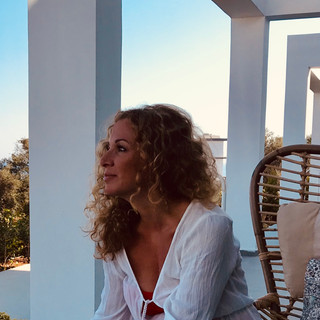
There are places that don't explain a country to you. They simply show it.
The Wednesday market in Girne is one such place. Those from Germany might briefly think of large weekly markets like the Isemarkt in Hamburg. But Girne has a different soul. Less chic, less staged, but more vibrant, more intimate, and more Turkish in the best sense.

It most closely resembles a small market in Istanbul, perhaps one of those bustling markets on the Asian side of the city. Little Istanbul in Girne. Tidy enough to be easily navigated, yet compact enough to feel like you're right in the heart of things.
Busy. Functional. Warm. Authentic.
Samira was there today. Wednesday, market time, summer heat, packed stalls. Even upon arrival, you realize that this market is for shopping, for browsing, examining, comparing, and finding. Fruit, vegetables, herbs, clothing, trousers, dresses, bags, towels, household goods. Everything is there, lying there, hanging there, waiting to be touched, turned over, examined, and taken home.
The people seem friendly. Peaceful. Reserved. Pleasantly reserved.
That's perhaps the first thing you notice. The vendors are attentive and ready, but they give you space. If you look, you're welcome to look. If you ask, you get an answer. If you move on, you're allowed to go with the same serenity.
And yet, there is movement everywhere.
There's talking, laughter, and checking. Money is being counted, goods are being rearranged, and the best fruits are being placed back on top. Tomatoes, peaches, grapes, figs, cucumbers, bundles of herbs. It all seems a bit like a small, everyday theater, where everyone knows what to do.
The prices are written on torn pieces of cardboard. Written with a black marker. Lira. Simple. Quick. Functional. That's exactly what this market is about. Here, it's about goods, price, freshness, conversation, trust, and a little bit about habit. Many seem to know each other. They nod to one another, pause briefly, exchange a few words, laugh, and move on. The market has its own order, in a very Turkish, practical, and human way.


The food stalls are particularly beautiful. They are full, colorful, and vibrant. You can see that the goods are constantly being rearranged. When a crate is half empty, the fruit is brought forward. If something looks especially appealing, it's placed on top. This isn't decoration in the fancy sense. It's the age-old art of the market: showcasing what's good.
Samira also stops to look at the dresses and trousers.
The women at the stalls are happy to help. They hold something up, pull out a hanger, show a color, drape a pair of pants over their arm. If you ask if it's cotton, a simple Turkish word helps: Pamuk?
Then often a smile follows.
“Evet, güzel.”
Yes, nice.


Whether everything is truly cotton is perhaps best viewed with the same leniency with which this market should be viewed in general. The answer is part of the sales ritual. It's not meant to deceive; it's meant to say: Look, feel, try it. It's beautiful. And most of the time, it is.
The atmosphere is great. The prices are fair. The help is friendly. Nobody makes a big deal out of it. You search, find, discard, decide. And sometimes you go home with something you hadn't planned on at all.
When it gets hot, and it gets hot quickly in Girne, there are little escapes. An ice cream. A cold drink. A coffee. Towards the bus station, you'll find places to briefly step away from the hustle and bustle of the market. Towards the police station, there's also a small spot to linger, a bit like an allotment garden: simple, green, improvised, and charming.

That's a feeling you encounter again and again in Northern Cyprus. You're sitting somewhere where everything is simple, but someone comes by in a friendly manner, brings something, smiles, asks a question, and waits neither too long nor too short a time. And suddenly everything is alright. The warmth and friendliness permeates the place.
Samira bought a fig at this market years ago.
A small plant.
One of those plants you see, take home, plant somewhere, and then see if it makes it. This fig tree made it. It's still alive. And every autumn it bears the best fruit.


Perhaps that is the most beautiful sentence about this market.
You can buy things there that last. Bags, clothes, tomatoes and herbs, perhaps only for a while. A fig tree for years. And sometimes you take something home that takes root. In the garden. In everyday life. In your memory.
Parking at the Wednesday market is a bit of a patience exercise in itself. You might get lucky near the entrance or find a spot further up. Sometimes you just wait until someone returns with lots of plastic bags, opens their door, stows everything away, and slowly drives out. Then, for a moment, you can claim that small everyday victory.

There are also parking options on the parallel streets. What you shouldn't do: park where it's not allowed. And certainly not at the police station. That won't be punished with a stern look, but with your car being towed. Northern Cyprus is friendly, but not lenient in every respect.
Nevertheless, the market is always worthwhile.
Precisely because he is so genuine.

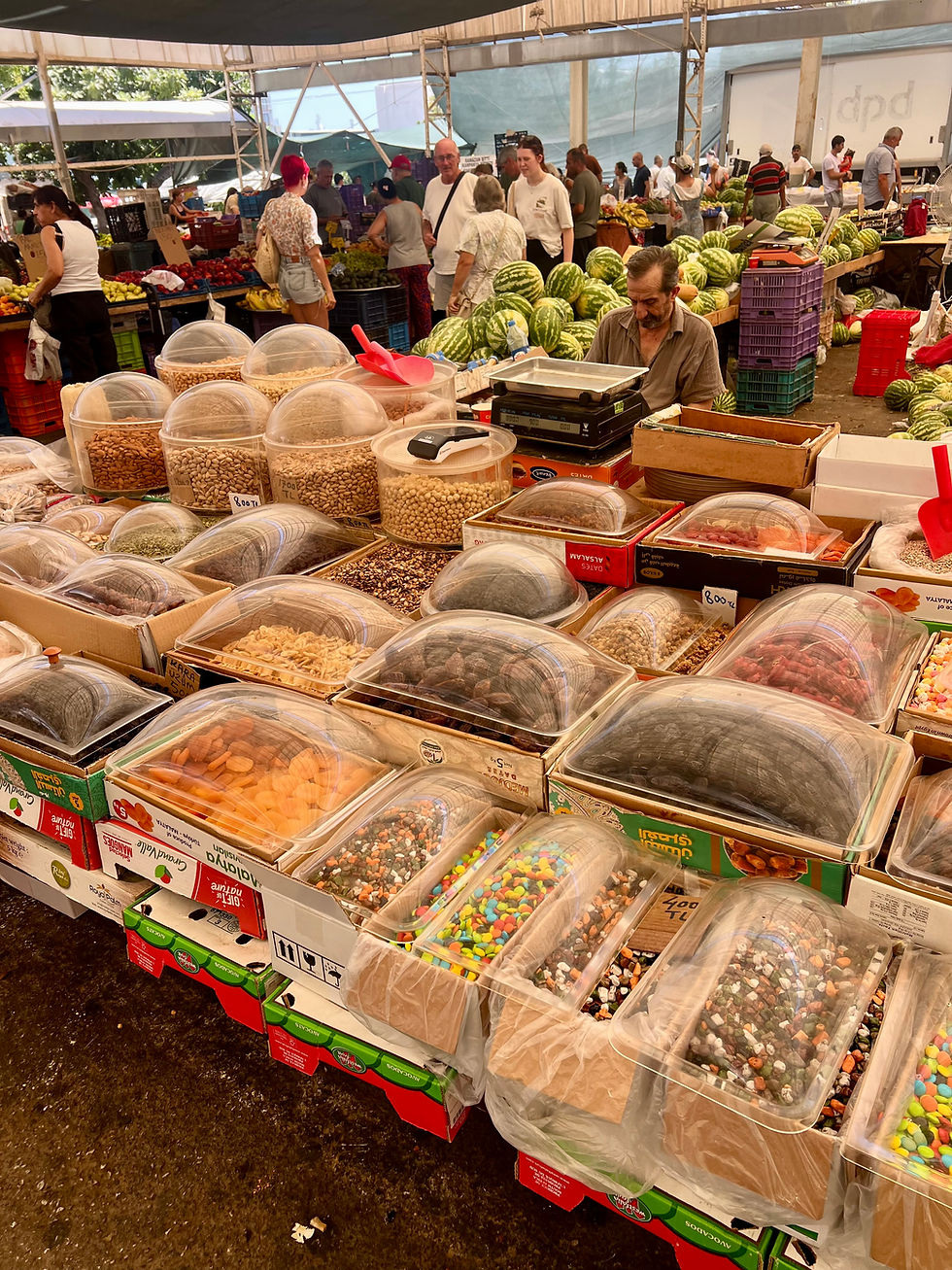
You see people shopping, haggling, waiting, laughing, helping each other, and simply living their Wednesday. You realize that Northern Cyprus is more than just beaches, politics, real estate, hotels, and sunsets. It's also made up of cardboard signs, marker pen prices, bundles of herbs, plastic bags, fig trees, friendly women at clothing stalls, and that quiet feeling that a place can connect with you without trying too hard to be something it's not.
Perhaps this is one of the most beautiful aspects of Northern Cyprus.
You encounter it.
And sometimes that's all it takes.
All love
Samira and Marten
Practical advice
The Wednesday market in Girne usually takes place on Wednesday mornings until the early afternoon.
Arriving early is worthwhile, especially in summer.
Bring cash in Turkish Lira, preferably small bills.
Bring your own bag or basket.
There is little haggling over food, but you can politely ask about clothing and household goods.
Plan your parking with patience; parallel streets are often more relaxed.
Do not park illegally, especially not at or near the police station.


header.all-comments